
Preparing a Container Shelter Site in Australia
A practical site checklist for container shelter projects: measurements, drainage, access, supports, anchoring and local approvals.
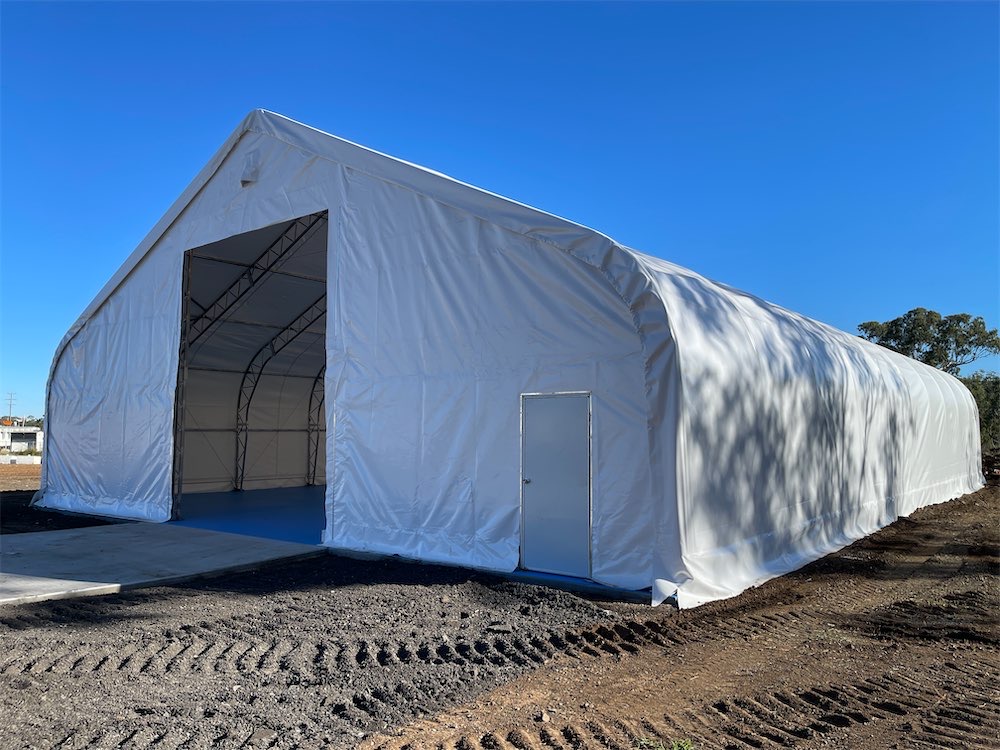
A shelter project begins before the frame arrives. The position of the containers, the route to the site and the ground conditions all affect whether the chosen model can be installed and used as intended. Work through the following checks while you are comparing products.
Measure more than the shelter footprint
Mark the proposed support positions and allow room around the structure for installation and future access. Check gates, overhead lines, nearby buildings and the turning path for delivery vehicles or lifting equipment. Compare your measurements with the shelter's listed dimensions and packaged shipping size.
Plan water movement
Walk the site after rain if possible. Note low points, runoff paths and any place water collects. The ground and drainage arrangement should be considered as part of the whole installation, not after the shelter is assembled. If the site is steep, flood-prone or has uncertain ground conditions, seek advice from a suitably qualified professional.
Confirm supports and anchoring
Follow the installation information for the exact shelter model. Verify the required container or support configuration, fixings and any engineering information with the supplier and installer. Wind exposure differs across Australia and even between nearby sites, so a generic anchoring assumption is not enough. Keep enough space for installers to work safely around the structure.
Check local requirements
Approval requirements depend on the location, land use and proposed structure. Before purchase or installation, ask your local council or relevant authority what planning and building approvals may apply. business.gov.au explains that state, territory and local governments set construction permit rules. Its guidance is a starting point; your specific site needs its own check.
Make a decision-ready checklist
- Measured layout and access route
- Known ground and drainage conditions
- Model-specific support and fixing information
- Delivery and installation plan
- Local approval advice for the proposed use
With those answers, you can compare the available shelter models on practical fit as well as price.